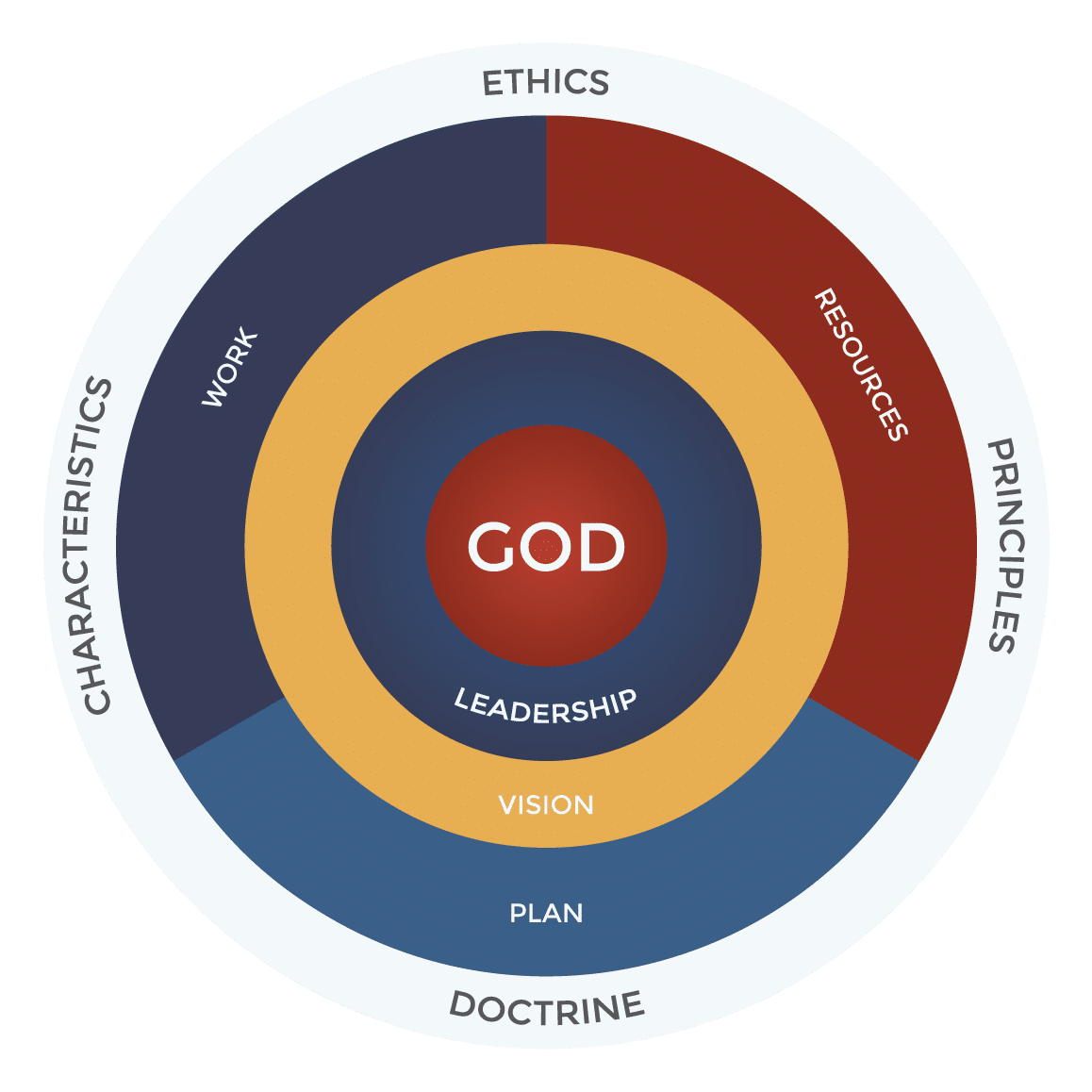

The Masters Plan
Anatomy is a powerful dynamic tool—it is vital to the success of any organization!
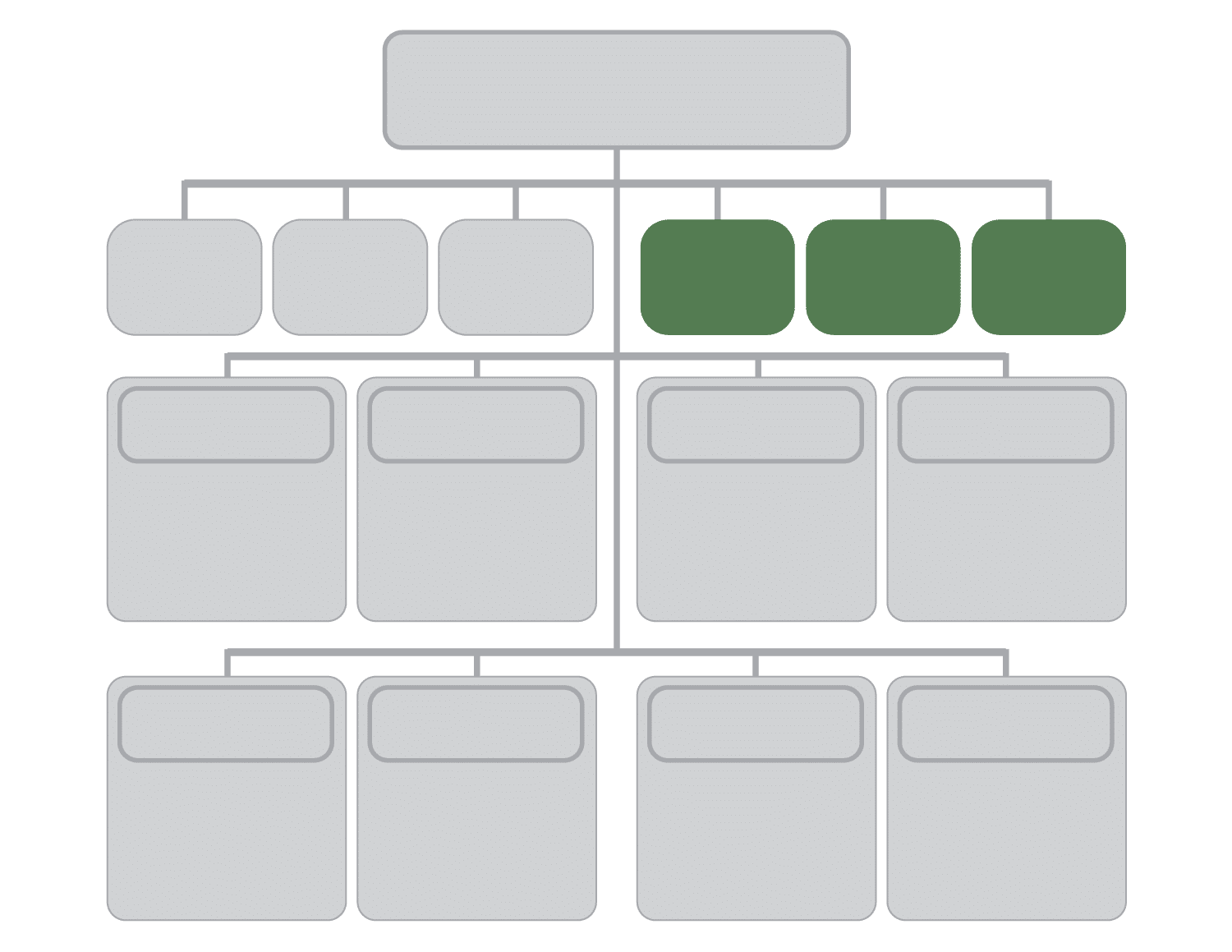
It reveals a strategic structural design and provides a dynamic model of the three components and seven modules that form a working model that provides a consistent structural pattern.
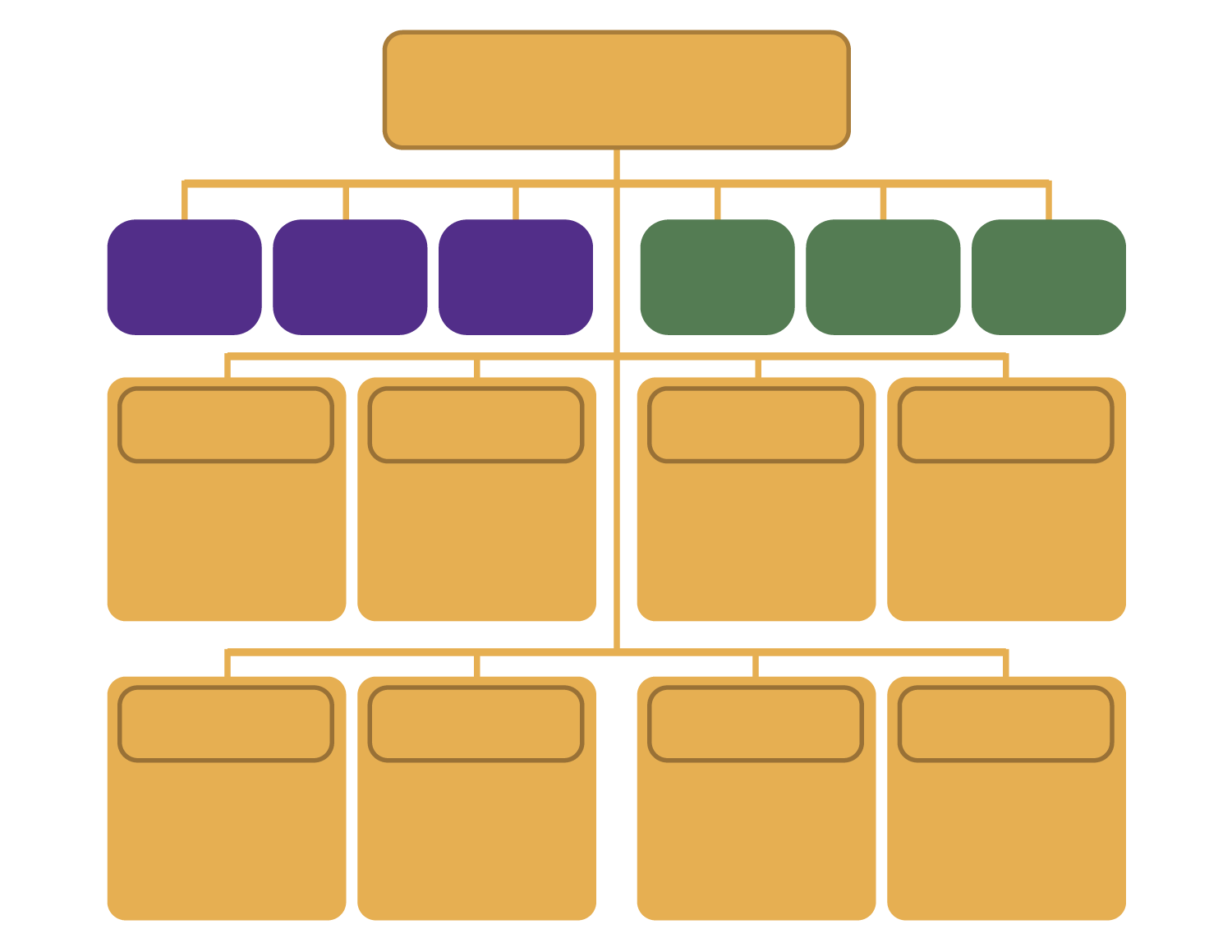
The Anatomy Model reveals a strategic architectural design and recognizes the vital contribution of each component and module to the success of the whole.
While appearing to be an organizational chart be assured, it is much, much more. It establishes the rules for organization architecture and facilitates the building of an overall unified design, form, and structure. It is essential that an organization be architecturally sound (complete, solid, firm, and stable). This dynamic tool identifies the essential components and modules of an organization or initiatives, including their function, position, relations, and structure.
The anatomy of an organization consists of three major components and their respective modules (all parts of the whole):
- Each being an integral and essential component of an organization.
- Each having its own specific function, yet depending upon the others to be complete.
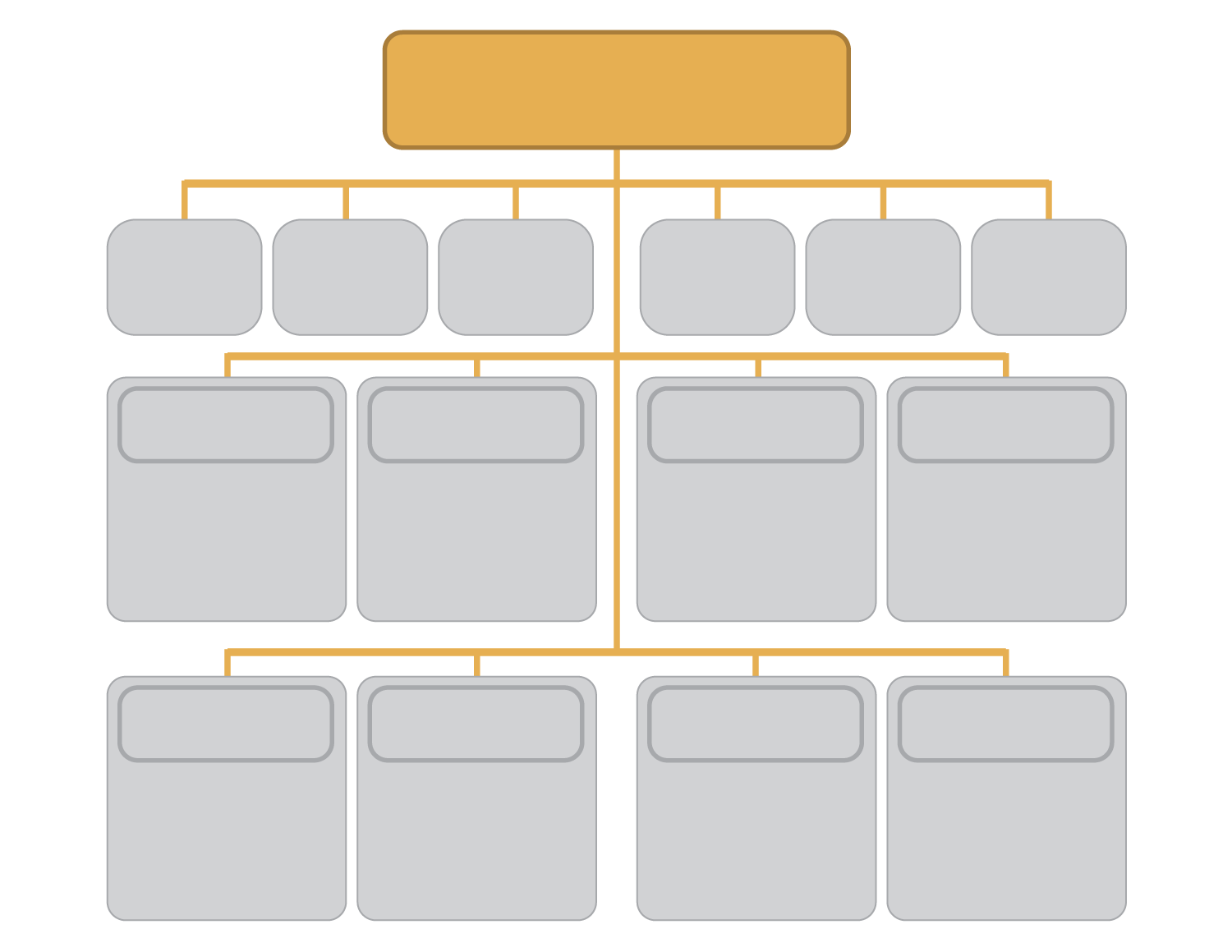
1. Identity
Who you are, what you are, what you do, why you exist?
Each entity has distinct attributes that make it unique; those characteristics that give it its individuality (distinguishing character and personality).
Identity is a by-product of vision. Leaders establish the “vision” and “identity.” Leaders establish identity by taking the vision and identifying the individual divisions and departments (by specific names).
Identity is an essential element and an extension of vision. In the model is sits with vision at the top because it is what people “identify” with.
2. Governance
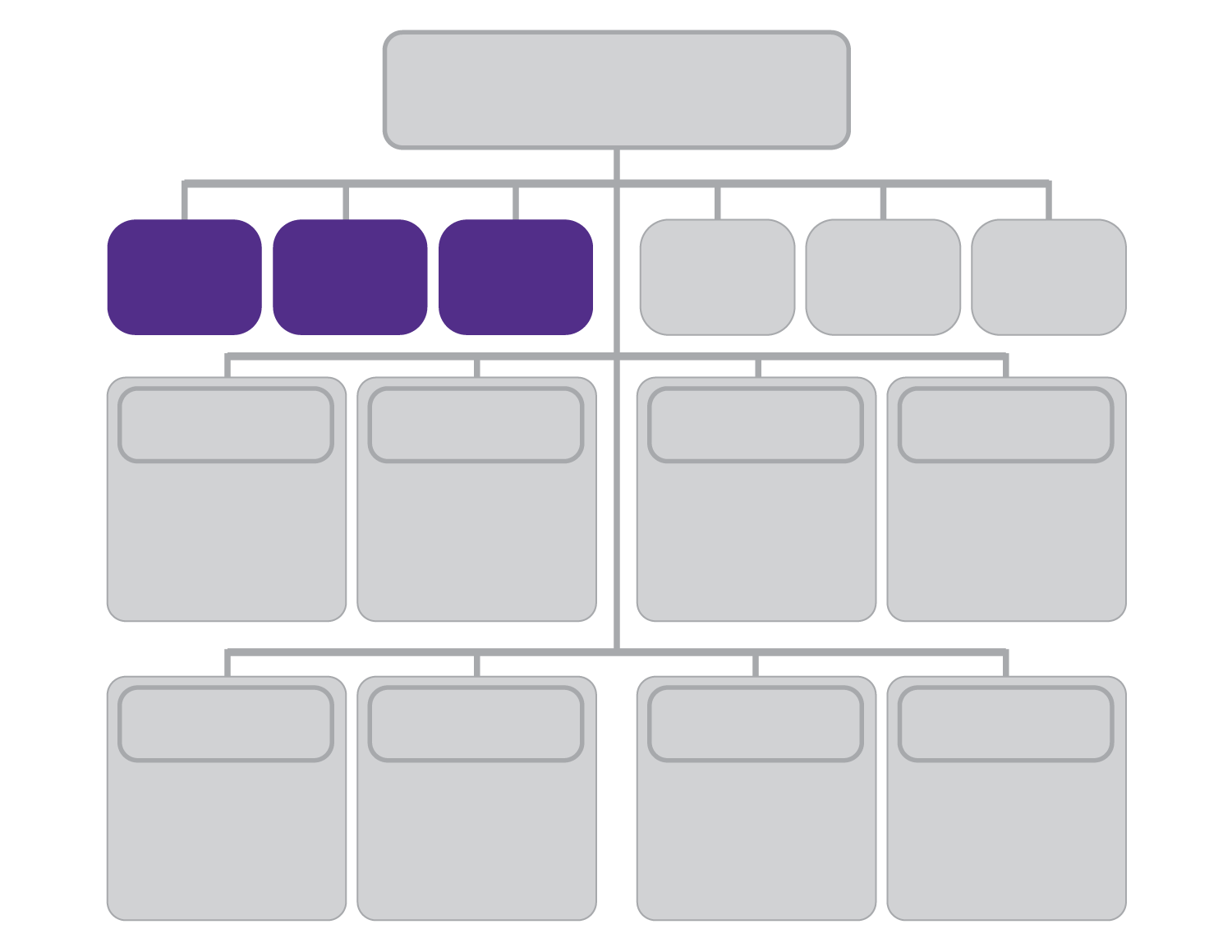
The Governing Components establish and maintain the governments of the organization or initiative.
These governments maintain the foundational beliefs, standards, policies, and controls by which the organization will function. The Governing Component is comprised of three essential modules:
Leadership
Leadership is all about people—influencing, leading, guiding, and directing people while using proper governments.
Management (Stewardship)
The use of sound judgment and proper governments in utilizing resources—people, training, money, materials, tools and equipment, and facilities.
Organization
Organization (Structure) that establishes the essential framework of the entity. This structure enables leaders to maintain proper governments.
3. Support
The Support Component establishes and maintains foundational services that support the organization.
These foundational services are vital to the success of the organization or initiative. The three essential modules in this Component are:
Corporate (Legal)
The Corporate Module’s purpose is to maintain the corporate and legal affairs of the entity and assure compliance with applicable laws, policies, rules, and regulations.
Financial
The Financial Module’s entire purpose is to support, monitor, and report on the financial activities of the whole organization.
Administration
The Administration Module’s purpose is to conduct business affairs. To handle the affairs related to commerce, interact with businesses, and transact business.
Breakout Modules
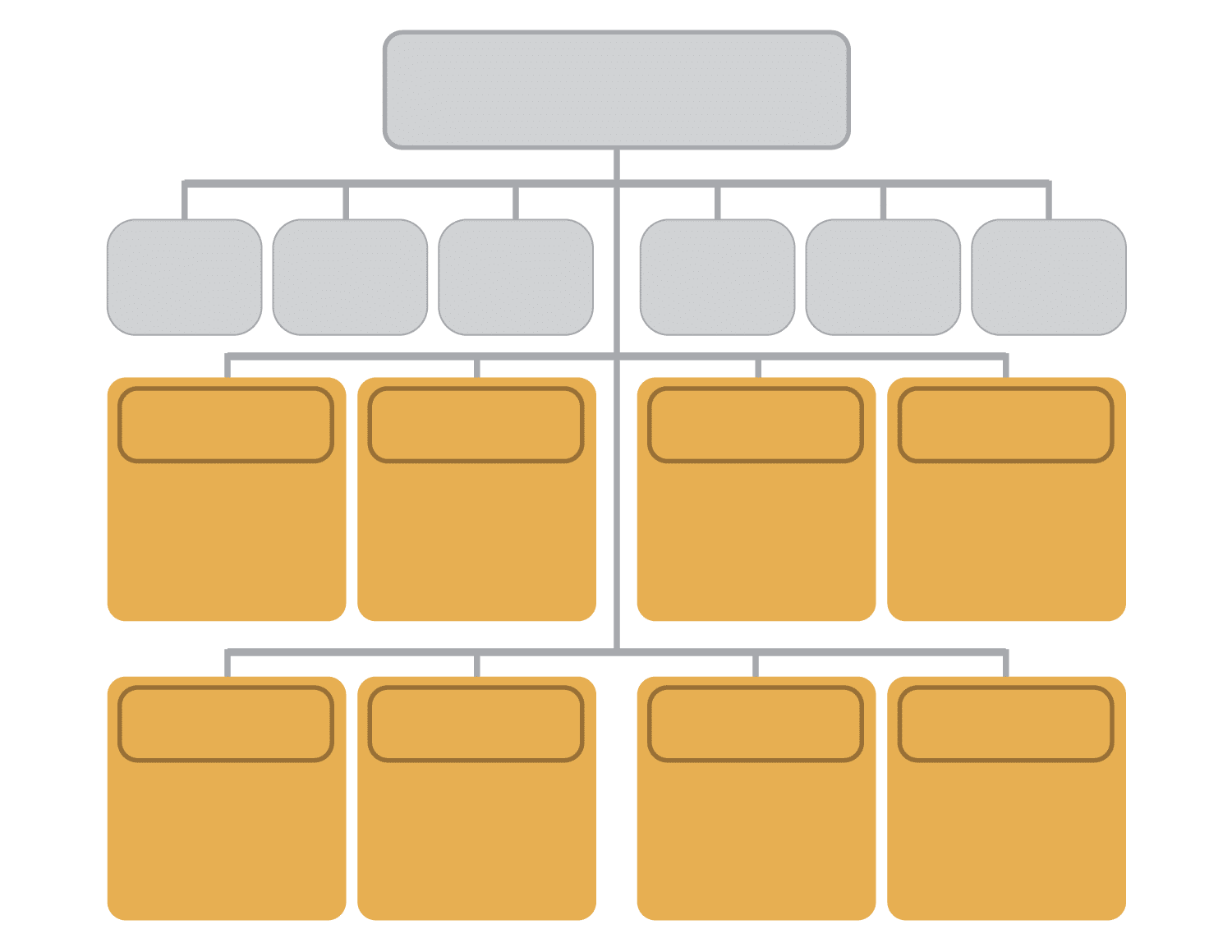
Each Identity, Governing, and Support Component has breakout modules that clearly identify and organize work, assets, and processes that are pertanent to that specific Component.
The Keys To Component Integration
These keys help us put things in order. Help us organize logical, manageable, and relational groups. They also help identify and organize the fundamental components and modules that are essential to and an integral part of any organization.
Function
Position
Relation
Structure
System Model
The above Anatomy model is 1/2 of the Master’s Plan System. Explore the other half to learn more about this life changing system.