

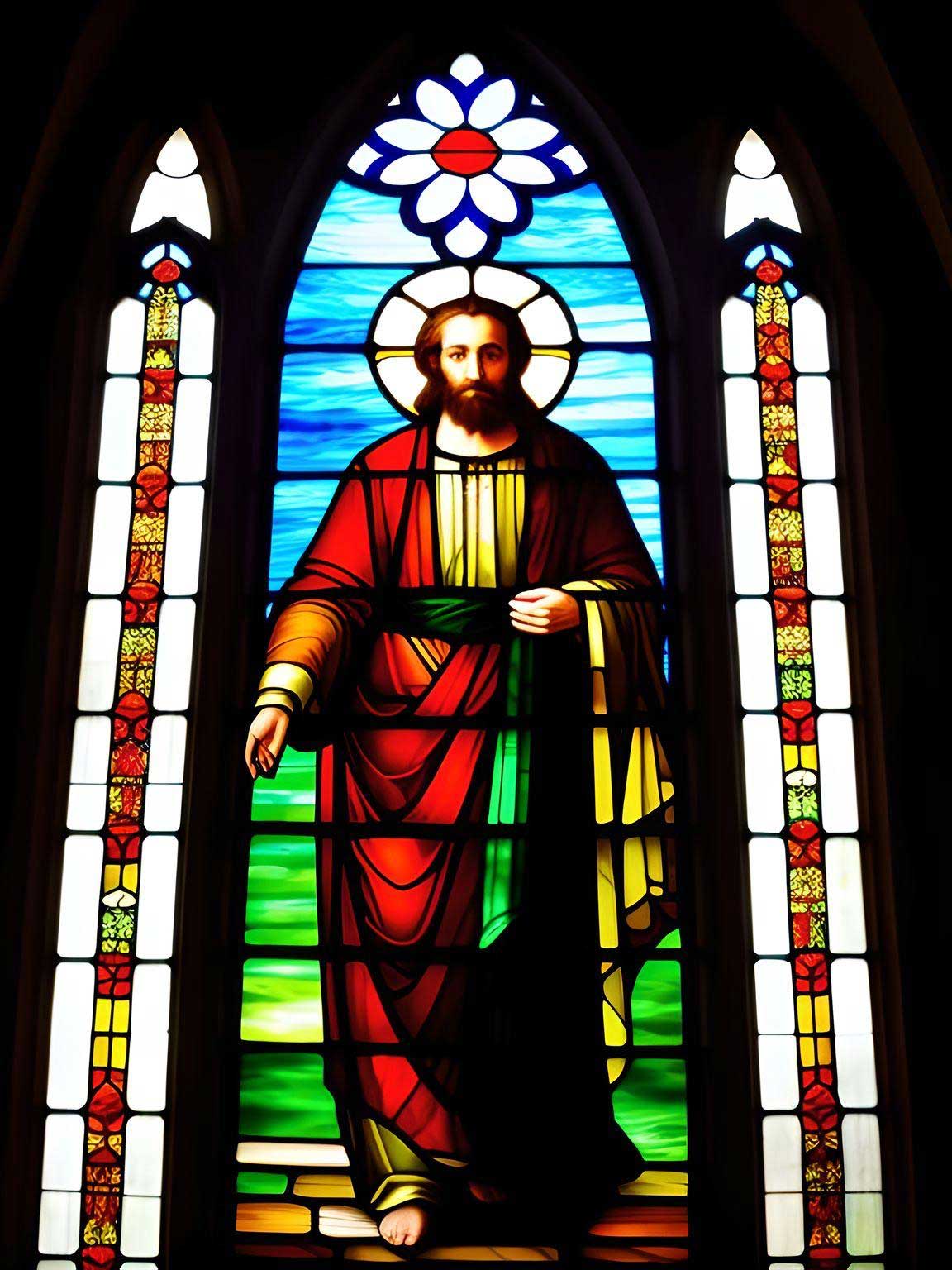

God is the source of all existence and the object of our deepest awe and reverence. He is the central figure who forms the foundation of the Christian Faith, shapes our worldview, and provides the ultimate source of meaning and purpose for believers. He is not only the divine essence and the object of our worship but also the author and creator of all life and the universe. From the majestic galaxies to the intricate details of every living creature, God’s handiwork is evident.
The Nature of God
God (Hebrew: Yahweh) is the ultimate author and creator of all existence. The Scriptures teach that “In the beginning, God created the heavens and the earth” (Genesis 1:1). This declaration highlights God’s sovereignty and power over the entire cosmos. He is the source of life and the originator of all that is seen and unseen. God’s creative act reveals His divine attributes. His wisdom is displayed in the intricacies and complexity of the universe, while His power is demonstrated through the vastness and orderliness of creation. Psalm 19:1 declares, “The heavens declare the glory of God; the skies proclaim the work of his hands.” Every aspect of creation reflects God’s creativity, design, and purpose.
God’s nature is infinite and beyond human comprehension, transcending the limitations of time and space. He is not confined to a physical form but exists as a spiritual being, eternal and unchanging. God is self-existent and self-sufficient. Unlike anything in the created order, He has no beginning or end. In Exodus 3:14, when Moses asked for His name, God replied, “I AM WHO I AM.” This divine declaration signifies God’s eternal and self-existent nature, independent of any external source or cause.
In addition to His eternal nature, God is also characterized by His divine attributes, which reflect His perfection and holiness. These attributes include:
- Omnipotence: God is all-powerful, having limitless power and authority over all things. He spoke the universe into existence and sustains it by His power alone. Nothing is impossible for Him (Luke 1:37).
- Omniscience: God is all-knowing, having complete and perfect knowledge of all things, including the past, present, and future. He comprehends the deepest mysteries and understands the innermost thoughts and intentions of every individual (Psalm 147:5).
- Omnipresence: God is present everywhere, intimately involved in every aspect of creation. He is not limited by space or confined to a particular location but is fully present at all times (Psalm 139:7-10).
- Holiness: God is absolutely pure, without any trace of sin or moral imperfection. His holiness sets Him apart from all creation, and He calls His people to reflect His holiness in their lives (1 Peter 1:15-16).
- Faithfulness: God is steadfast and faithful to His promises. He is unchanging in His character and can be relied upon in all circumstances. His faithfulness endures forever (Psalm 100:5).
- Love: God’s love is unconditional, sacrificial, and unfailing. It is not based on human merit or worthiness but flows from His very nature. God’s love is most fully demonstrated in the person of Jesus Christ, who gave His life as a ransom for many (John 3:16).
- Mercy and Grace: God’s mercy and grace extend to all humanity. Mercy is His compassion and forgiveness shown to those who deserve judgment, while grace is His unmerited favor and kindness bestowed upon us. Through Jesus’ sacrifice, God offers the gift of salvation, available to all who believe (Ephesians 2:4-5).
The Godhead / The Trinity
The Godhead reveals God’s existence as one divine being who eternally exists in three distinct persons: the Father, the Son (Jesus Christ), and the Holy Spirit.
- The Father: God the Father is the first person of the Trinity. He is the Creator and Sustainer of the universe, the source of all life and the ultimate authority. He is depicted throughout Scripture as a loving Father who cares for His creation, provides for His children, and offers guidance and discipline (Matthew 6:9, James 1:17).
- The Son (Jesus Christ): Jesus Christ is the second person of the Trinity, fully God and fully human. He is the eternal Son of God, who took on human form to redeem humanity from sin and reconcile them to God. Jesus’ birth, life, death, and resurrection are central to the Christian faith. Through His sacrificial death on the cross, Jesus provided the atonement for sin, making salvation and eternal life possible (John 1:1, 14; Colossians 1:15-20).
- The Holy Spirit: The Holy Spirit: The Holy Spirit is the third person of the Trinity, co-equal and co-eternal with the Father and the Son. He is the Spirit of God who dwells in believers, empowering them for Christian living, convicting them of sin, guiding them into truth, and equipping them with spiritual gifts. The Holy Spirit is active in the world, drawing people to faith in Christ and sanctifying believers, enabling them to grow in holiness (John 14:16-17, Acts 1:8, Galatians 5:22-23).
The Godhead emphasizes the unity and diversity within the nature of God. While the three persons of the Trinity are distinct, they are inseparable and share the same divine essence. They are in perfect communion, working together in harmony to accomplish the divine plan of salvation. They are one God.
The Godhead is not merely a theological concept but has practical implications for believers. It reveals God’s relational nature and His desire for a personal relationship with His people. It also highlights the unity and love that should characterize the Christian community, as believers are called to reflect the unity of the Trinity in their relationships with one another (John 17:20-23, Ephesians 4:4-6)
God’s Role in Our Lives
In addition to being the author and creator, God fulfills various roles in relation to humanity. He is the loving Father who desires to have a personal and intimate relationship with His children. Jesus taught His disciples to address God as “Our Father in heaven” (Matthew 6:9), emphasizing the close bond and familial connection believers have with God through faith in Christ.
God also serves as the righteous judge, holding all people accountable for their actions. The Scriptures affirm that “the LORD is a God who judges” (Psalm 75:7). His justice ensures that righteousness and fairness prevail, and that evil and wrongdoing are ultimately brought to account.
Furthermore, God is the compassionate redeemer and savior. Despite humanity’s sinful nature and rebellion against Him, God initiated a plan of salvation through Jesus Christ. In love and grace, He sent His Son to bear the penalty for our sins, offering forgiveness and eternal life to all who believe in Him (Ephesians 1:7). God’s redemptive work through Jesus demonstrates His unfathomable love for humanity and His desire to reconcile us to Himself.
Through faith in Jesus Christ, believers receive the indwelling of the Holy Spirit, who enables them to have a personal and intimate relationship with God. The Holy Spirit is the divine presence within believers, guiding, empowering, and transforming them. Jesus promised His disciples that the Holy Spirit would come to be their helper and advocate (John 14:16). The Holy Spirit convicts individuals of sin, leads them to faith in Christ, and empowers them for living a godly life. The presence of the Holy Spirit enables believers to experience the love, peace, joy, and power of God in their lives.